

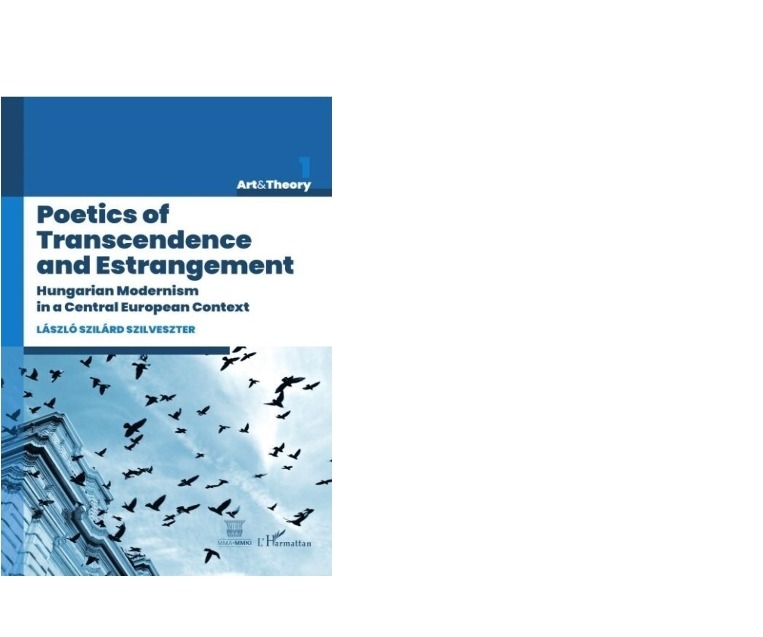


Idegen nyelvű kötet megjelenése

The book offers a comprehensive examination of the aesthetic, intellectual, and ideological changes that shaped 20th-century and contemporary Hungarian poetry. Through eight studies, it situates lyrical works within broader cultural, historical, and regional frameworks, highlighting the interplay between poetic form, religious worldviews, and socio-political constraints.
Part One, Value Shapes of Faith and Doubt, analyses the poetry of Sándor Weöres, Jenő Dsida, Attila József, István Bella, István Ágh, and Imre Oravecz. These chapters explore how late modernist poets negotiate the tension between transcendence and estrangement, reinterpreting religious tradition while confronting the crisis of linguistic expressibility and cultural authority.
Part Two, Transylvanian Perspectives, considers the specific historical and cultural conditions under which Transylvanian Hungarian poetry developed during the communist period and after the 1989 regime change. Analysing the works of Domokos Szilágyi, Aladár Lászlóffy, Sándor Kányádi, András Ferenc Kovács, Zsófia Balla, László Király, and others, this section traces how ideological pressures, censorship, and minority status shaped thematic concerns, stylistic choices, and forms of cultural belonging and personal faith.
By integrating literary-historical contextualization with close reading, the volume presents a nuanced account of how Hungarian and Transylvanian Hungarian poets articulate experiences of belief, alienation, and cultural confinement in the 20th and 21st centuries.
L`Harmattan OpenAccess: https://doi.org/10.56037/978-963-646-416-5